Quick Links
Product compliance is an important consideration for manufacturers, suppliers, and businesses that source fabricated metal components. Two of the most recognised conformity marks are UKCA and CE, both indicators that a certain product has met relevant safety, health, and environmental requirements before being placed on the market.
Despite their similarities, there are minor differences between the two in the way they’re applied and how manufacturers can meet compliance. Gaining knowledge of these requirements helps businesses to avoid delays, stay compliant, and ensure products are suitable for their intended market.

What is CE Marking?
CE (Conformité Européenne) marking is used for products that are sold within the European Economic Area (EEA), and commonly in the European Union. It lets consumers and suppliers know that a product complies with applicable EU legislation covering areas such as safety, health, environmental protection, and performance.
When CE marking is required, a manufacturer is expected to conduct an appropriate conformity assessment, prepare the necessary technical documentation, and issue a Declaration of Conformity before the mark can be applied. The specific requirements depend on the type of product being manufactured, with some products self-certified by the manufacturer, while others require a thorough assessment by an approved independent body.

What is UKCA Marking?
UKCA (UK Conformity Assessed) is the product marking used for goods in the UK market, including England, Scotland, and Wales. It was introduced after the UK’s exit from the European Union as a domestic version of the CE marking.
Like CE marking, UKCA showcases that a product meets relevant legal requirements in health and safety. Manufacturers are responsible for ensuring their products comply with the applicable legislation before distribution for sale. There’s much overlap between the requirements of CE and UKCA marking, with the main difference being that UKCA is governed by the UK rather than the EU.
How to Meet UKCA and CE Compliance?
Although governed by different legislation, such as the Electrical Equipment Safety Regulations, Electromagnetic Compatibility Directive or the Supply of Machinery Safety Regulations, the general compliance process is quite similar.
Marking Requirements
In order to obtain CE and UKCA marking, manufacturers should:
- Identify the relevant EU or UK directives or regulations that apply to the product.
- Confirm the appropriate conformity assessment procedure for each product category.
- Complete any required testing, inspections or quality assurance procedures. Some products can be self-certified, while others require assessment by an EU or UK notified body.
- Compile technical documentation demonstrating compliance with the applicable legislation. This should include product design information, calculations, test results, risk assessments and manufacturing records.
- Prepare and sign an EU Declaration of Conformity.
- Apply the CE or UKCA mark to the product before it is placed on the EU and UK market.
- Keep the technical documentation and Declaration available for inspection by market surveillance authorities for the required retention period, typically 10 years.
Common products for both UKCA and CE include:
Consumer and household goods
Toys, electronics, PPE, lighting, radio and telecommunications.
Professional items
Machinery, medical devices, construction, heavy-duty industry applications.
How Laser Cutting Assists UKCA and CE Marking
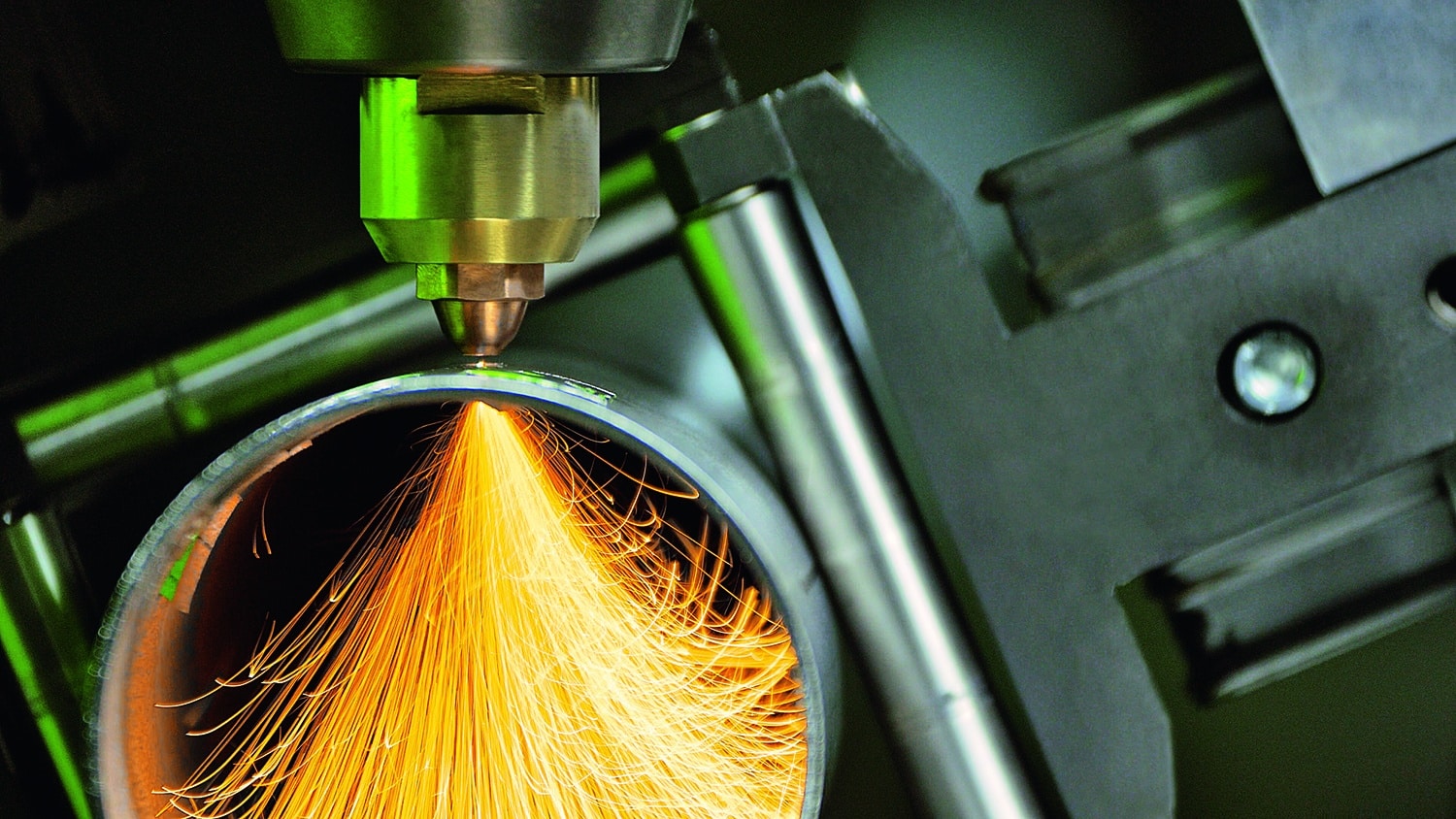
Precision laser cutting delivers highly accurate components with excellent repeatability, helping manufacturers achieve tight tolerances and consistent production quality. It’s particularly valuable when marking compliant parts to remain traceable in the pipeline, providing highly accurate profiling and engraving across a range of materials.
Fibre lasers offer a non-contact process, eliminating contamination and risk of damage while producing permanent CE and UKCA logos. Modern CNC laser cutting also produces clean edges with minimal material waste, allowing components to move through fabrication quickly while maintaining high standards of accuracy. For manufacturers looking to produce regulated products, reliable fabrication instils confidence that components will meet the required specifications before final testing and certification.

Professional Marking and Engraving by Charles Day Steels
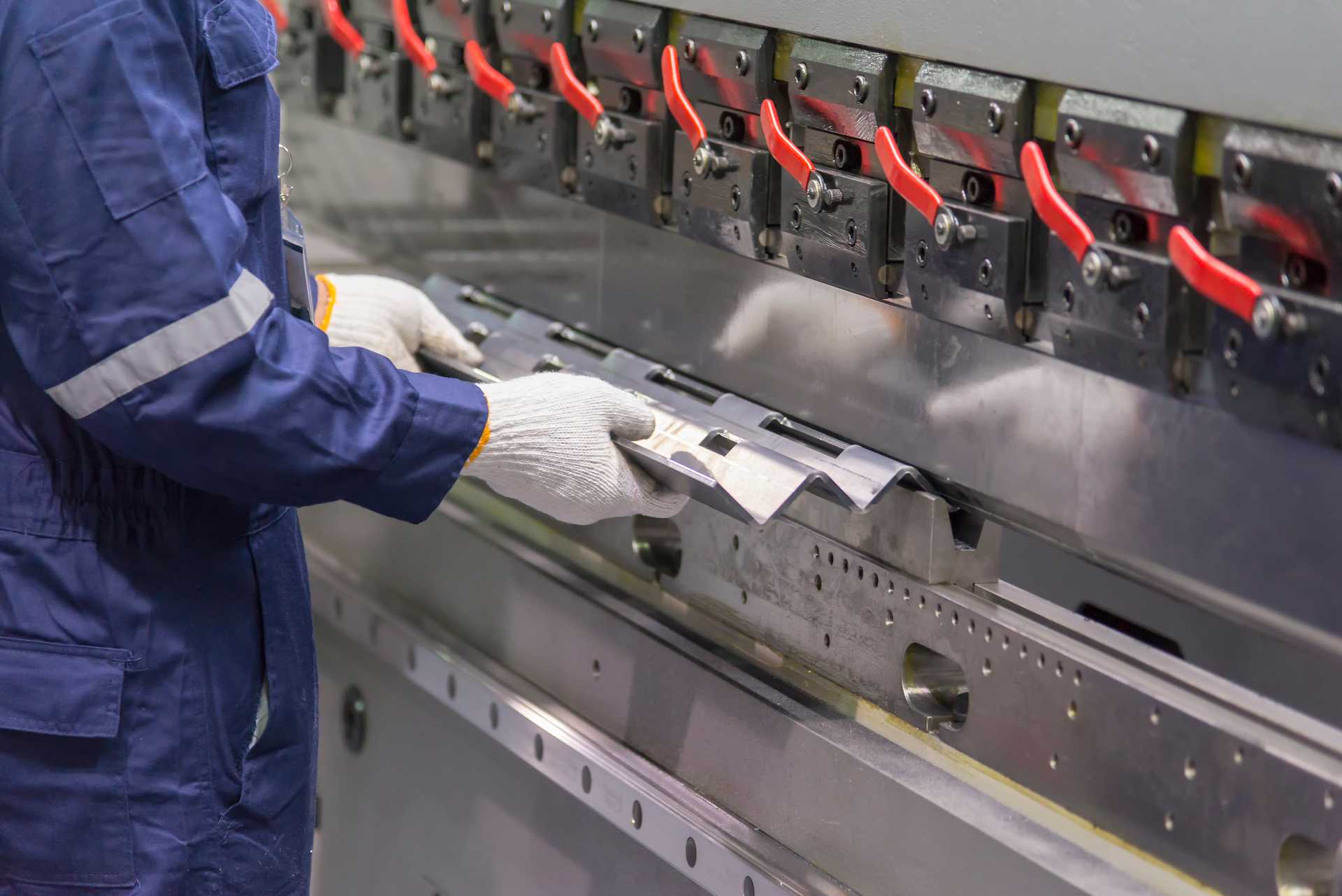
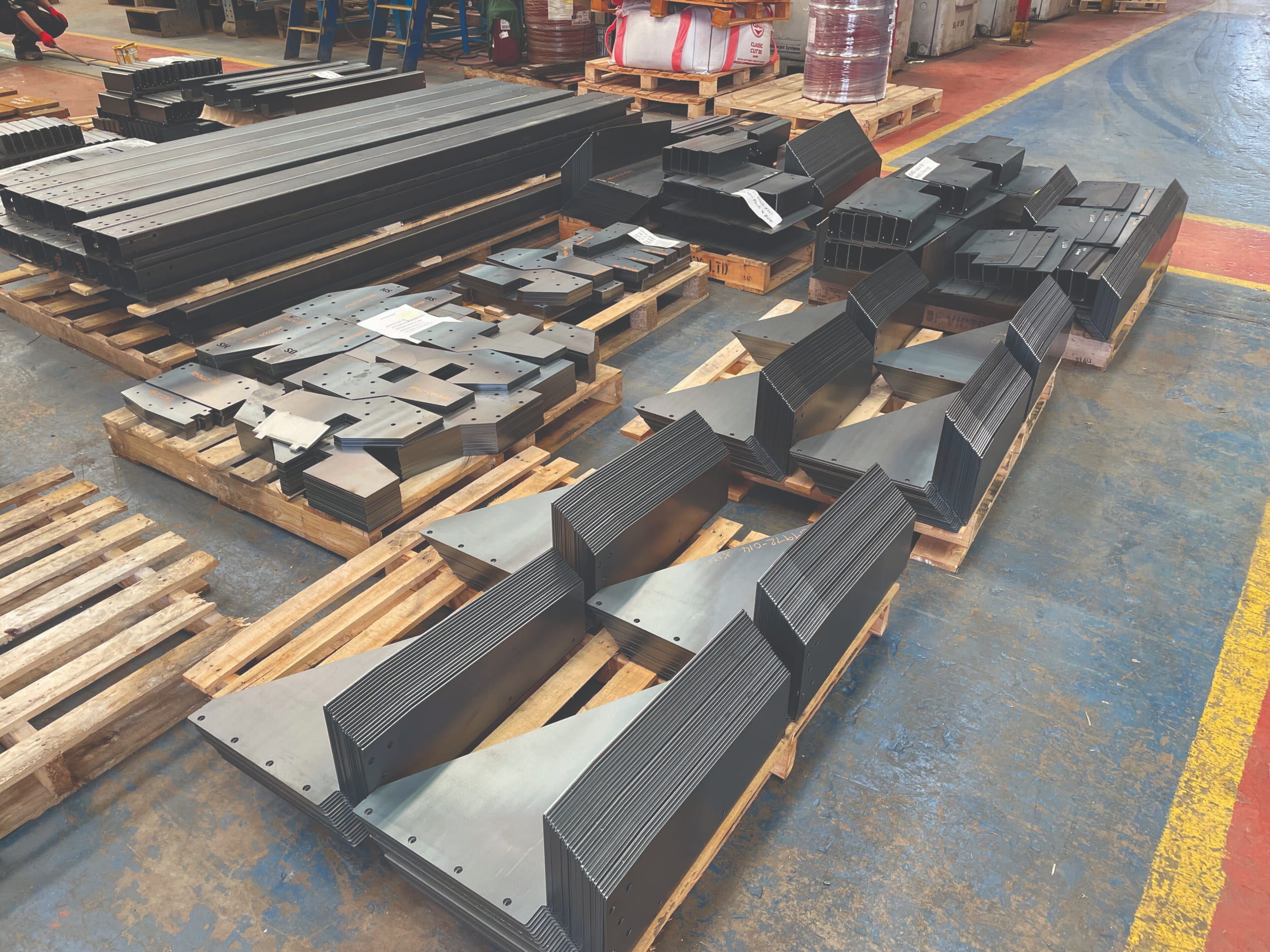
At Charles Day Steels, we adhere to BS EN 1090-1 standards, delivering precision laser cutting and metal fabrication services across a spectrum of industries and services. Utilising advanced laser technology and decades of manufacturing experience, we can provide excellent UKCA and CE marking and engraving services, always keeping your business and products compliant and professional.
To discuss your future project requirements, get in touch with a member of our team at Charles Day Steels.