Quick Links
The demand for advanced technology has become standardised in manufacturing today, with customers expecting exceptional accuracy, consistency, and efficiency. Two processes that have continued to evolve, sheet metal punching and forming, are widely used techniques for producing components across a wide range of industries.
By combining such equipment with skilled fabrication, manufacturers can create high-quality parts quickly and cost-effectively. In this guide, we help you understand how these processes work and the versatility they offer for desired project outcomes.

What is Sheet Metal Punching?
Sheet metal punching is a fabrication process that uses specialised tooling to create holes, slots, cut-outs, and shaped features within flat sheet metal. A punch press forces a tool through the material into a matching die, producing a clean and repeatable result.
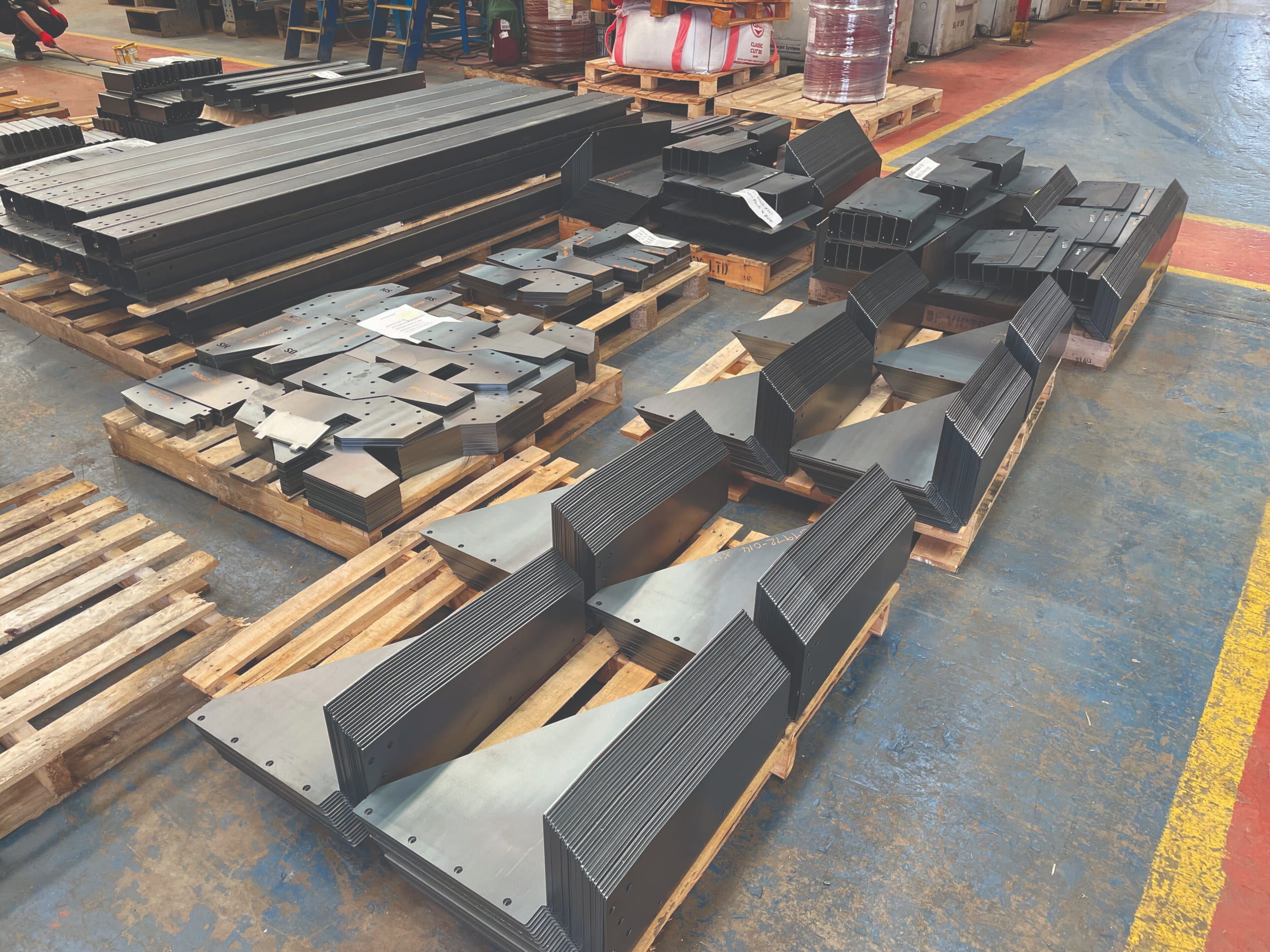
Unlike other cutting methods that are designed to separate complete parts from a sheet, punching is mostly used to create individual features within a component. Modern CNC punching machines can produce a wide range of shapes with high-speed and repeatable accuracy, making them ideal for both prototype work and high-volume production.
What is Sheet Metal Forming?
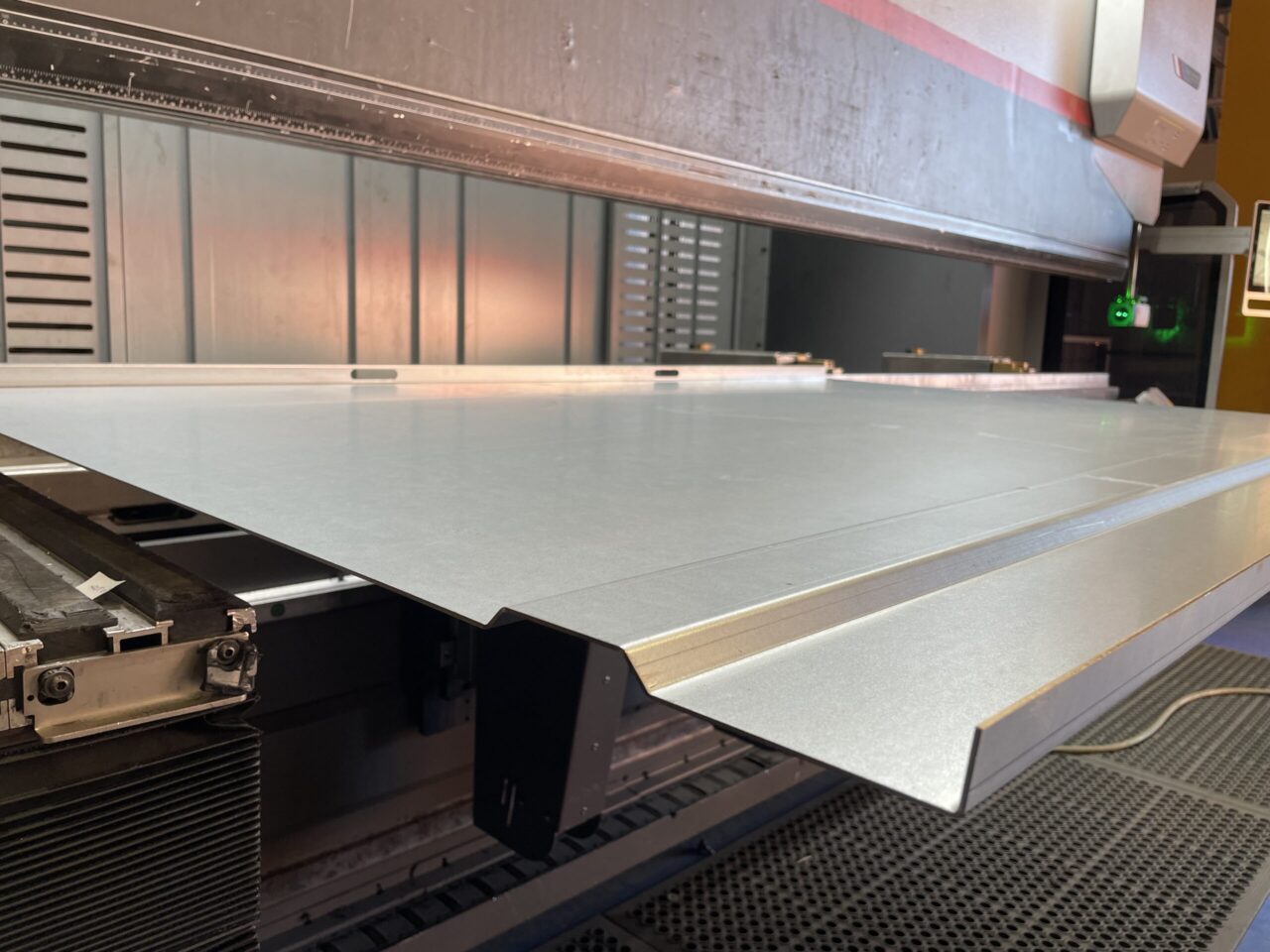
Once a flat part has been cut or punched, it may require shaping to achieve the final project design. Sheet metal forming changes the shape of the material without removing it, using controlled force, through a process like press braking, to create bends, folds, curves, and structural features.
Forming allows flat sheet metal to become a robust, functional final component that can later be used for assembly. Depending on the application, forming can help improve structural strength, create fixing points, and produce complex shapes that would otherwise require several separate parts.
Where is Sheet Metal Punching and Forming Used?
Punching and forming are used throughout many industries, such as automotive, aerospace, construction, medical, electronics, and beyond, due to their versatility and reliability. Common applications include:
- Electrical cabinets and enclosures
- Architectural metalwork
- Machine guards
- Automotive components
- Agricultural equipment
- Storage systems
- HVAC ductwork
- Retail fixtures
- Industrial brackets and supports
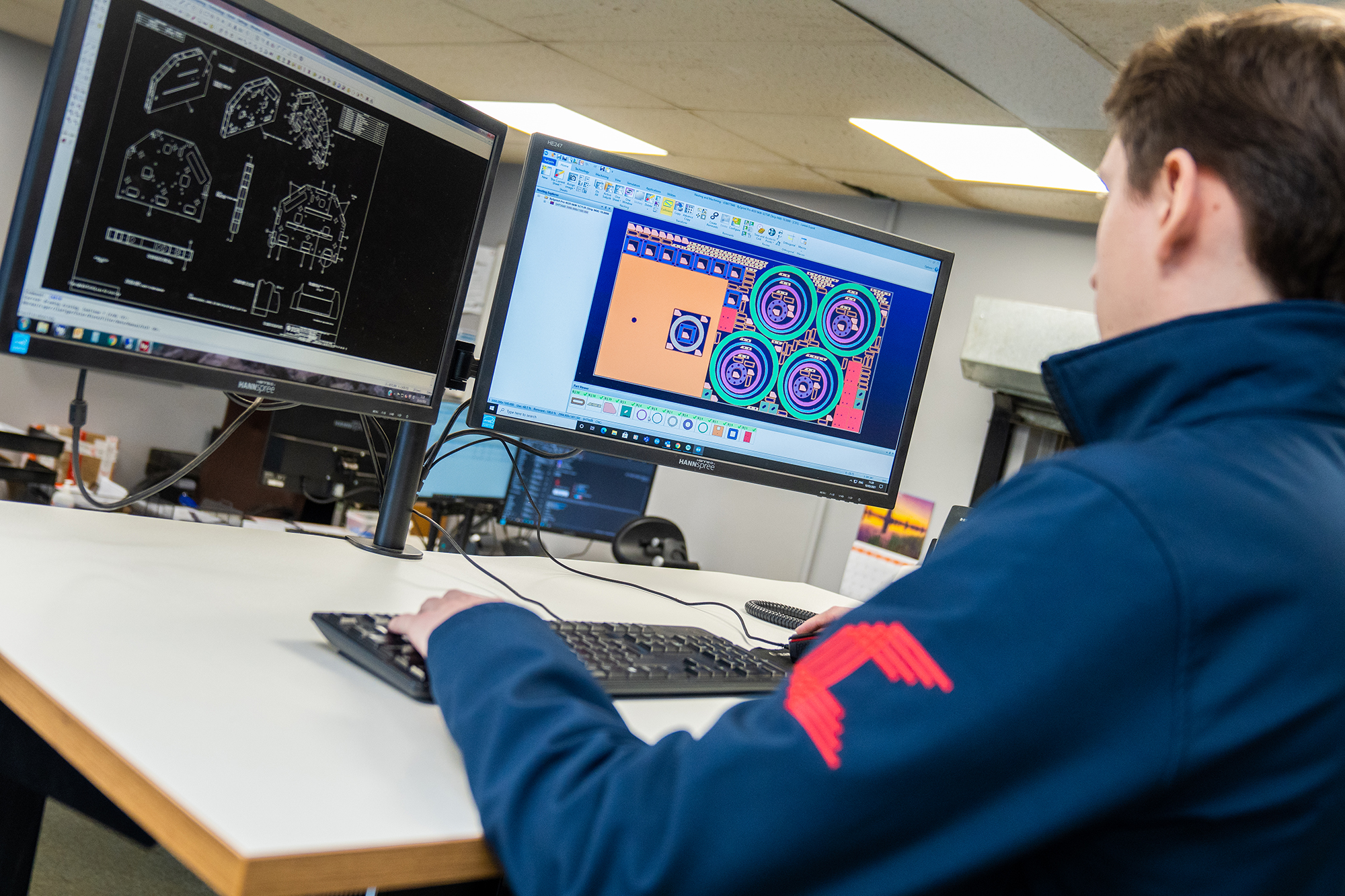
These processes can be used alongside a range of materials, including mild steel, stainless steel, aluminium, and other alloys. To maximise outcomes, a component must be well-designed. During the design phase, drawings are often reviewed with consideration of the hole size and spacing, bend position, material thickness, internal bend radii, and component strength. The process is carefully controlled to achieve accurate angles and dimensions without compromising the component.
The Benefits of Sheet Metal Punching and Forming
These manufacturing processes offer several advantages for businesses looking to produce high-quality components.
High Production Efficiency
Punching and forming equipment can process large quantities of parts quickly with minimal intervention. This makes the processes particularly suitable for repeat production runs where consistency and speed are essential.
Exceptional Accuracy
Modern machinery operates using programmed coordinates, allowing components to be produced to precise specifications. Accurate positioning helps ensure parts fit together correctly during assembly and reduces the likelihood of production errors.
Cost-Effective Manufacturing
Punching and forming can reduce manufacturing costs by minimising waste, shortening production times, and reducing the need for additional machining. In many cases, several features can be produced during a single operation, improving overall efficiency.
Design Flexibility
Manufacturers can produce a wide variety of shapes, patterns, and formed features to suit different applications. Whether creating simple brackets or complex enclosures, these processes support both straightforward and intricate designs.
Consistent Quality
Repeatability is highly favoured in fabrication; once a programme has been developed, identical components can be manufactured with reliable accuracy throughout the production run.
Advanced Laser Technology
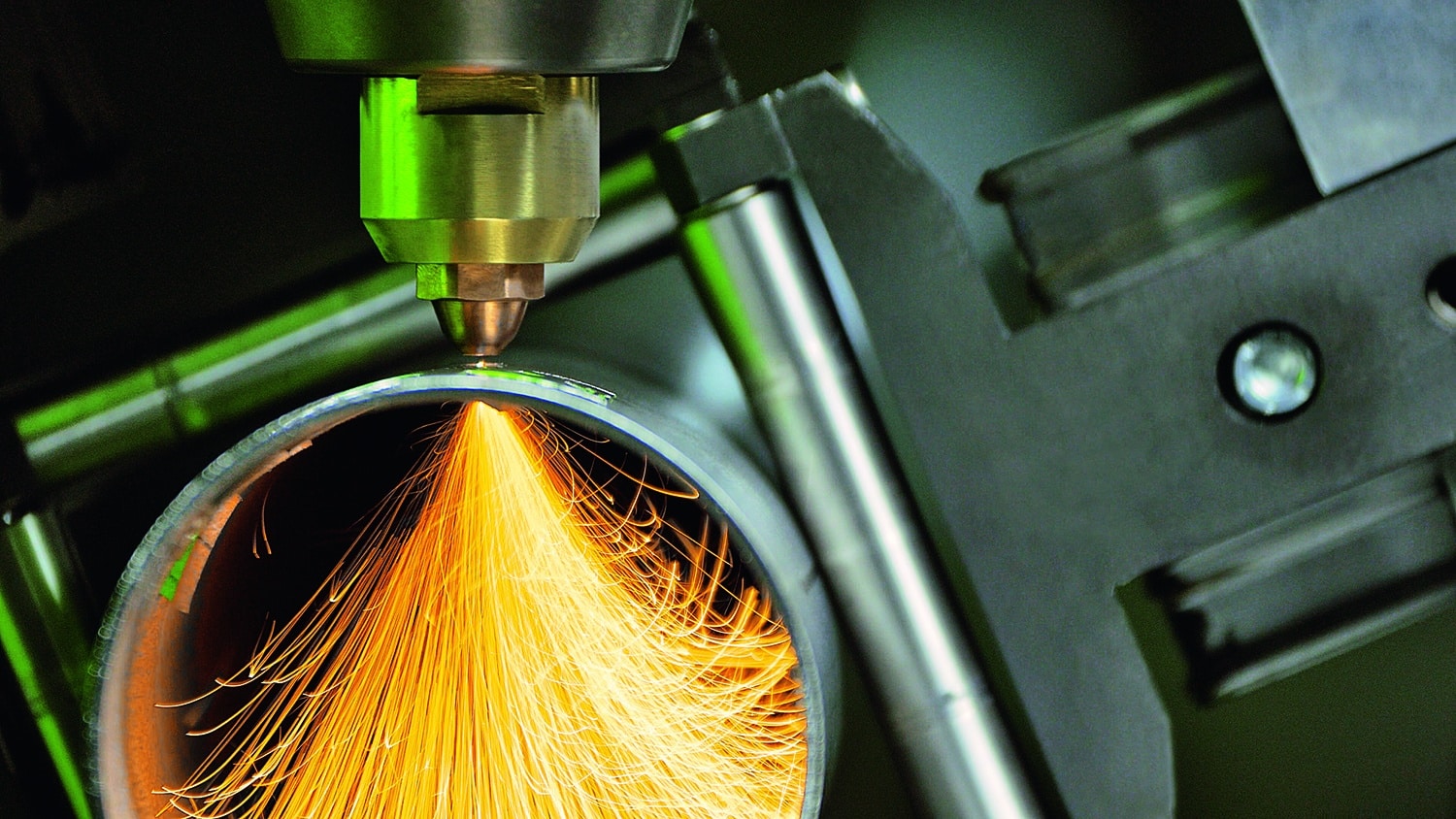
With the improvement of modern lasers, intricate cut-outs and complex designs can now be achieved with no tooling required. Therefore, improving downstream efficiency and performance.

Discover Sheet Metal Punching and Forming with Charles Day Steels
At Charles Day Steels, we provide precision sheet metal punching and forming services for customers across a wide range of industries. Using modern laser technology and decades of fabrication experience, our team manufactures high-quality components that are built for accuracy, consistency, and performance.
Whether you require simple punched parts, complex formed components, or complete fabrication solutions, we are here to help. To discuss our punching and forming services, get in touch with Charles Day Steels today.