Bringing a product to life takes a little more planning than just producing design drawings. Instead, manufacturers must also consider the efficiency of producing, assembling, and delivering components that can perform at scale.
For businesses utilising laser cutting, CNC machining, and fabrication services, a design for manufacturability approach significantly helps to reduce production costs, shorten lead times, and improve overall product quality. By taking the manufacturing process into account early in the design stage, companies can avoid unnecessary complexity, creating parts that are easier, faster, and more cost-effective to produce.

What is Designing for Manufacturing?
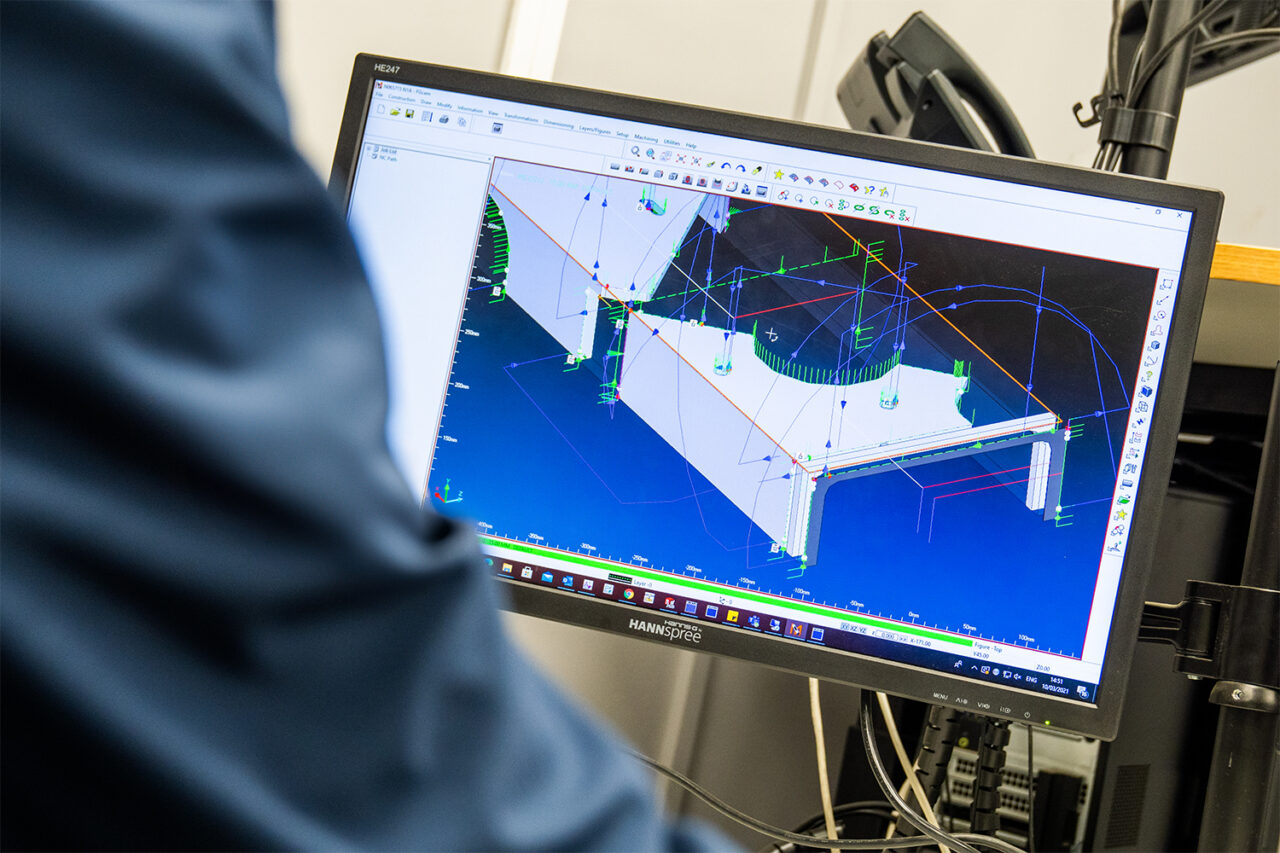
At its core, DFM focuses on developing designs that are not only well-rounded but also viable in practical manufacturing environments. The aim is to simplify production while maintaining performance, quality, and functionality. The DFM approach looks at all phases of production, including:
- Material selection
- Part geometry
- Tolerances
- Cutting methods
- Assembly requirements
- Finishing processes
When manufacturers are involved early on in the design process, they can identify potential production issues before they become expensive problems. For industries relying on precision sheet metal fabrication and laser cutting, DFM plays a major role in achieving repeatable, high-quality results.
Why Design for Manufacturing is Important in Laser Cutting
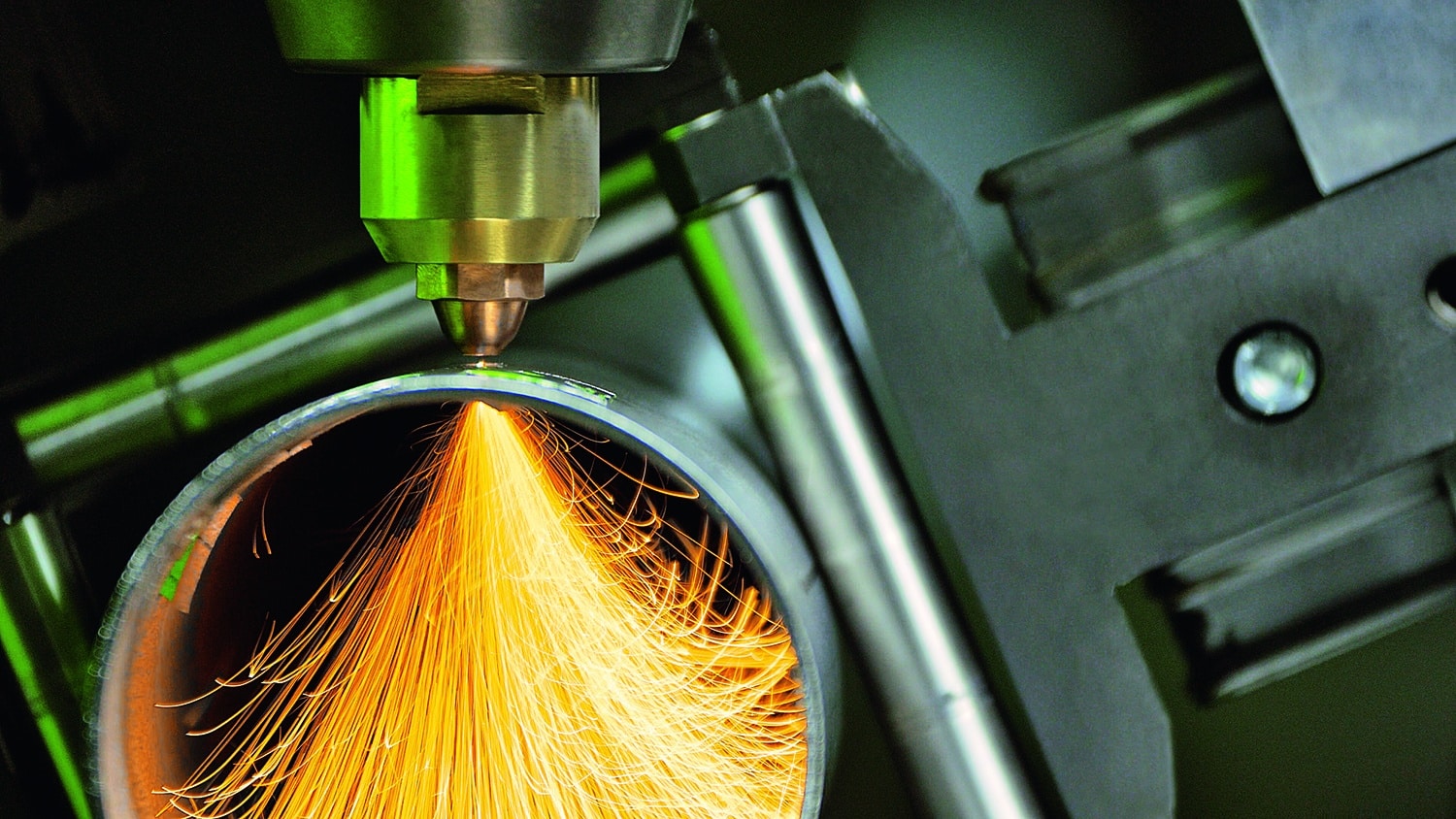
Laser cutting is known for its precision, speed, and versatility, and even advanced manufacturing technologies perform best when components are designed correctly. A poorly optimised design can lead to increased machine time, unnecessary material waste, and secondary finishes potentially being required. Some common examples include:
- Designing internal corners with realistic radii
- Avoiding unnecessarily tight tolerances
- Reducing excessive cut complexity
- Using standard material thicknesses
- Minimising part handling requirements
Minor adjustments at the design stage can have a significant impact on production efficiency. This is particularly important for high-volume manufacturing, where even small errors can increase costs over time.

The DFM Principles
These lean engineering principles are widely accepted practices and recommended to be developed from the early stages of a product’s lifecycle.
Design Simplicity
A core principle of design for manufacturing focuses on keeping drawings as simple as possible. Complex parts often require longer machining time, more programming, and additional secondary processing, all of which contribute to rising expenses. Simplifying the geometry through smart design production, without affecting functionality and purpose, can help manufacturers improve downstream efficiency and accuracy.
For laser cutting, this may involve removing unnecessary cut paths, limiting intricate features, avoiding overly complex contours, and maintaining consistency for holes and cut-outs.
Material Selection
Selecting the right material is essential for both product and manufacturing performance. Each material behaves differently during precision cutting, machining, and fabrication, which can hinder production speed, edge quality, and overall cost. Product designers should consider a material’s strength, properties, corrosion resistance, weight, cost, and machinability before commencing.
Utilising standard sheet sizes and common stocked materials and their thicknesses can also reduce lead times and wastage, ultimately improving project turnaround times.
Realistic Tolerances
Tolerances determine how much variation is allowed for a manufactured component. While tight tolerances may appear beneficial, specifying unnecessarily precise measurements can increase production times and cost.
Laser cutting is incredibly accurate, but designs should still reflect realistic possibilities during the process. Remaining restrictive with tolerances, where not necessary, can hinder the final outcome and possibly lead to further secondary processes.
Reducing Part Count
Design for manufacturing also involves reducing the total number of components within an assembly where possible. This usually results in simpler assembly processes, reduced handling time, lower inventory requirements, and fewer chances for errors.
Combining multiple functions into a single manufactured part can often lower project complexity. A well-optimised layout is particularly valuable in fabrication projects where welding, fastening, or additional assembly stages are also required.
Consider Secondary Processes
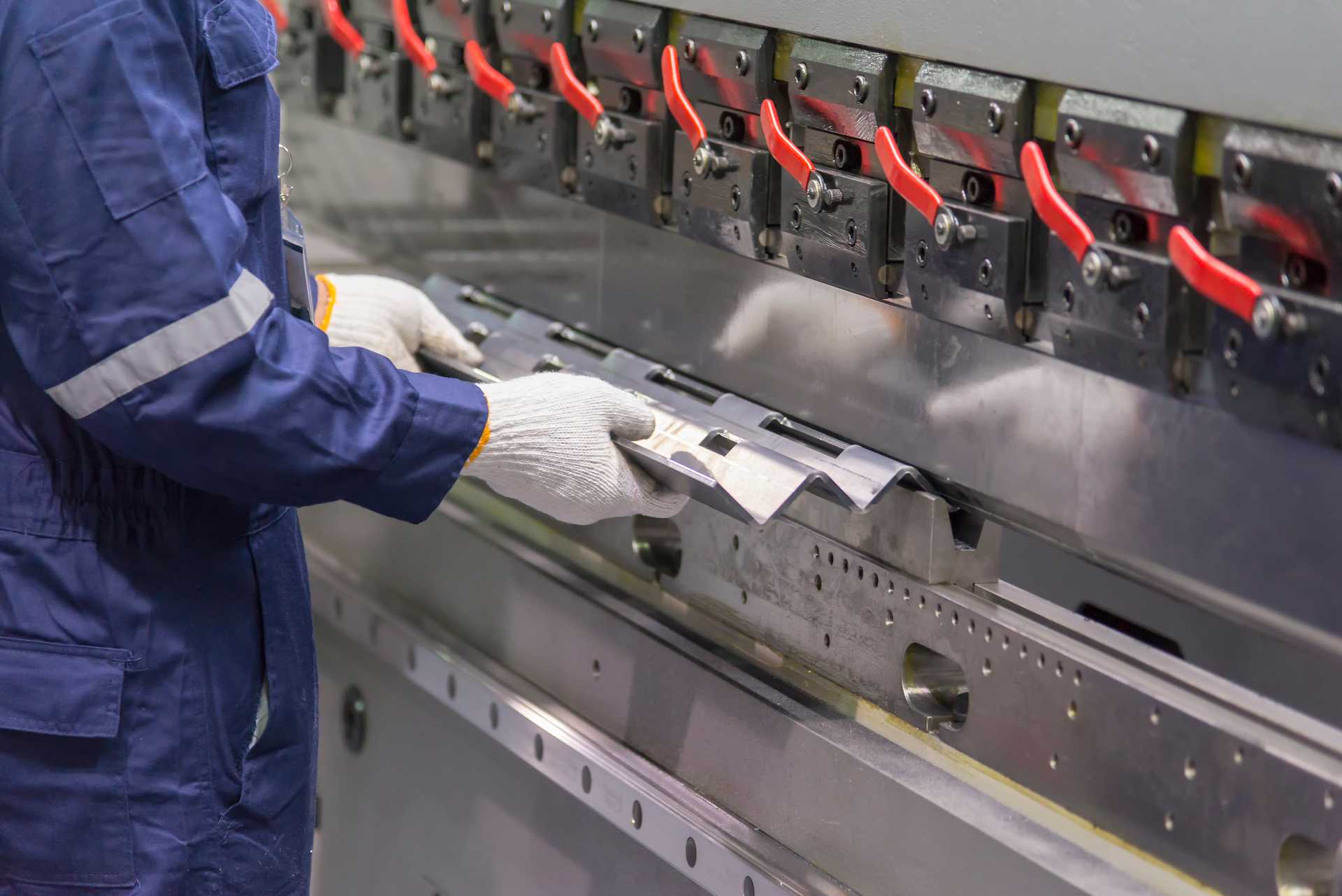
Manufacturing can often result in needing additional processes after the initial cutting process. This can come in the form of bending, weld preps, coating, machining, flowdrilling, etching and engraving, and more, which should also be considered during the design phase.
For example, features positioned too close to bend lines can become distorted during the forming process, while designs that ignore coating thickness can potentially cause assembly issues later in production. Designing with this in mind helps to reduce costly rework and offers a smoother production journey.

Explore Design for Manufacturing with Charles Day Steels
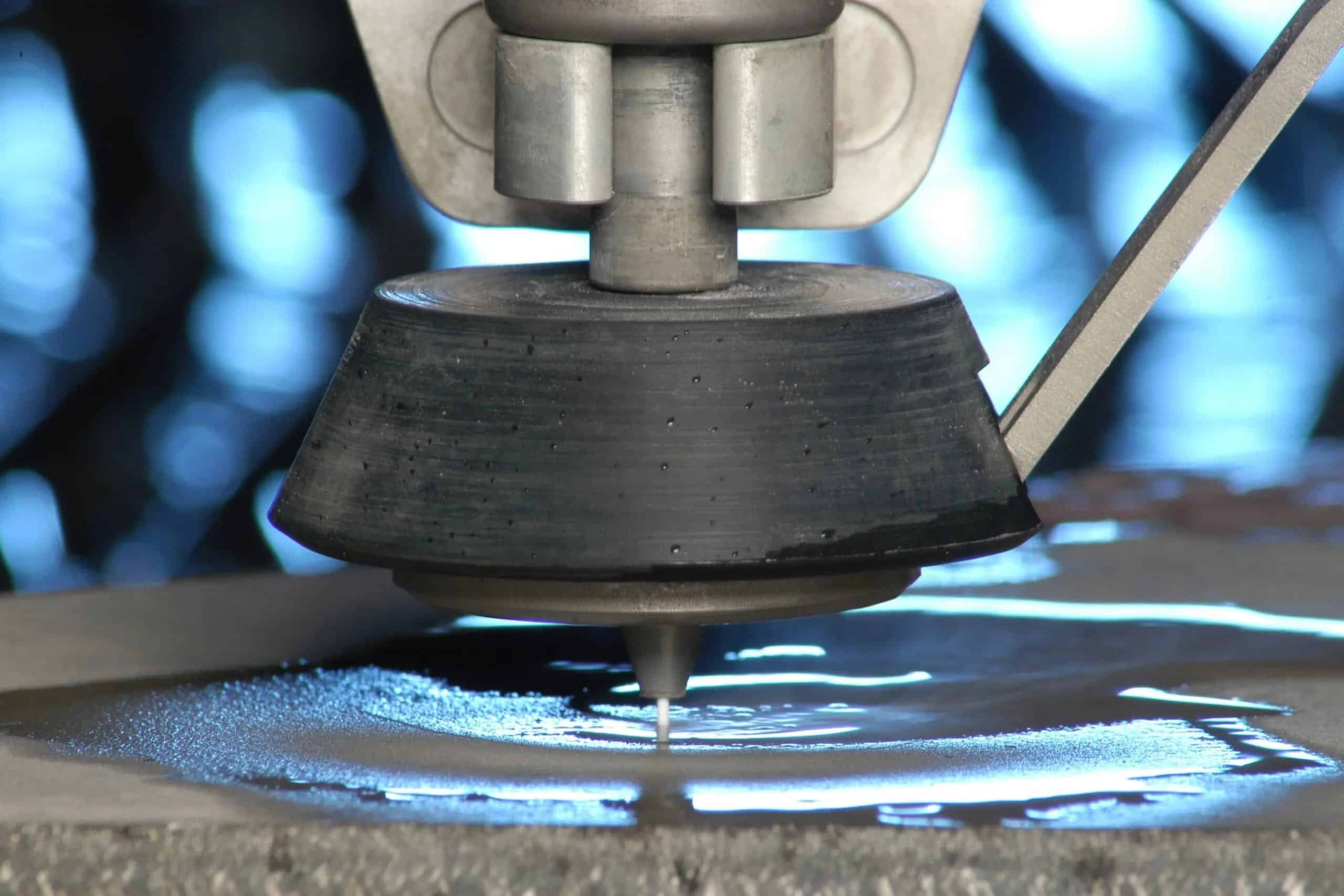
At Charles Day Steels, our expert team offers helpful and professional guidance to get the very best out of your drawings and projected outcomes. We offer a range of services from laser cutting, waterjet cutting, bevels and chamfers, metal bending, open section cutting, smart design production and more.
To discuss our design for manufacturing services, get in touch with Charles Day Steels today.