Kerf width is an unavoidable concept within laser cutting and something that should be addressed during the design phase. For engineers, designers, manufacturers, or any project working with sheet metal, accounting for kerf helps to reduce material waste, avoid dimensional errors and improve downstream efficiency.
This guide looks into what kerf is and the variations it may face under certain conditions, making sure components are finalised with reliable accuracy.
What is Kerf Width?
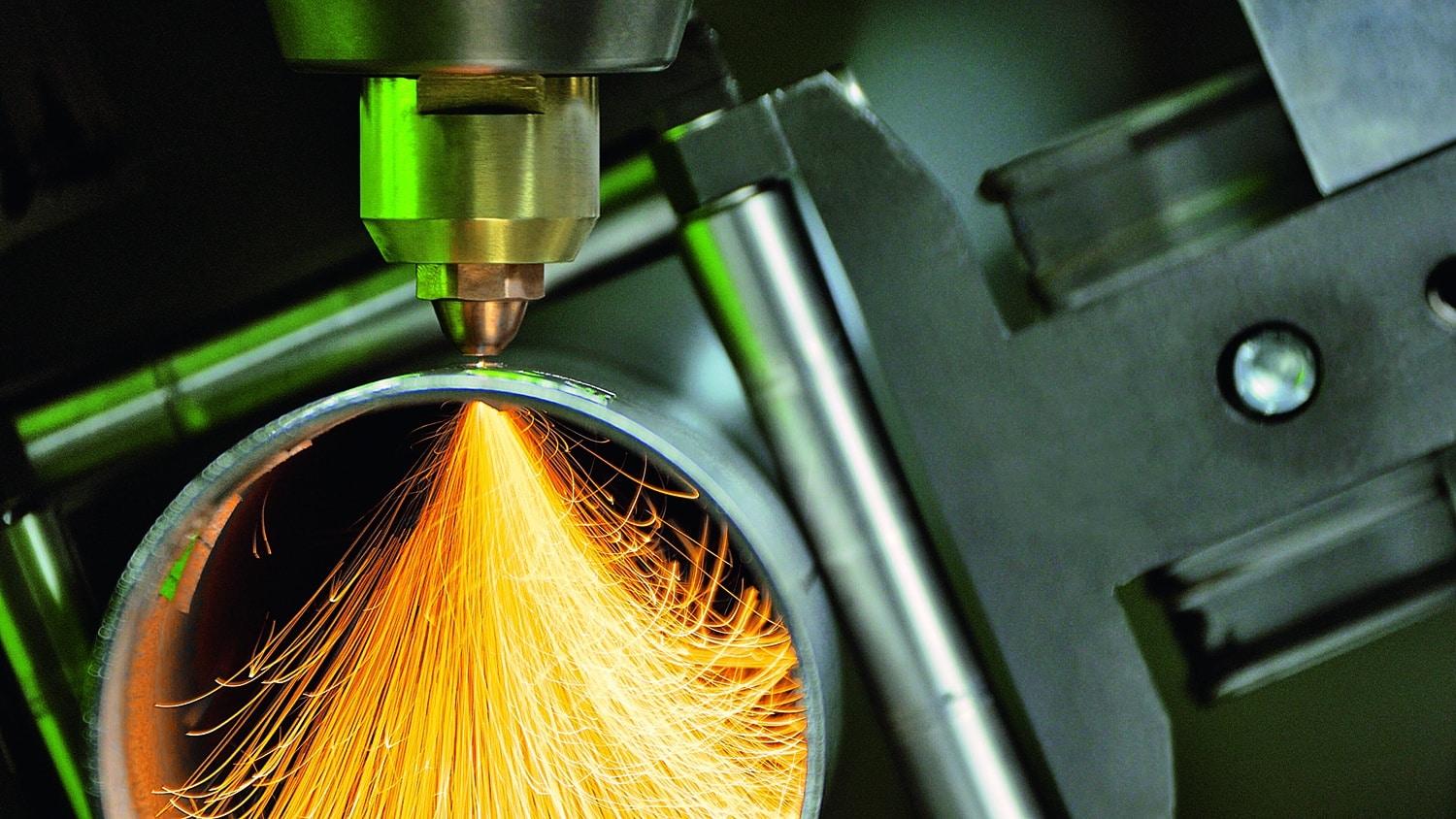
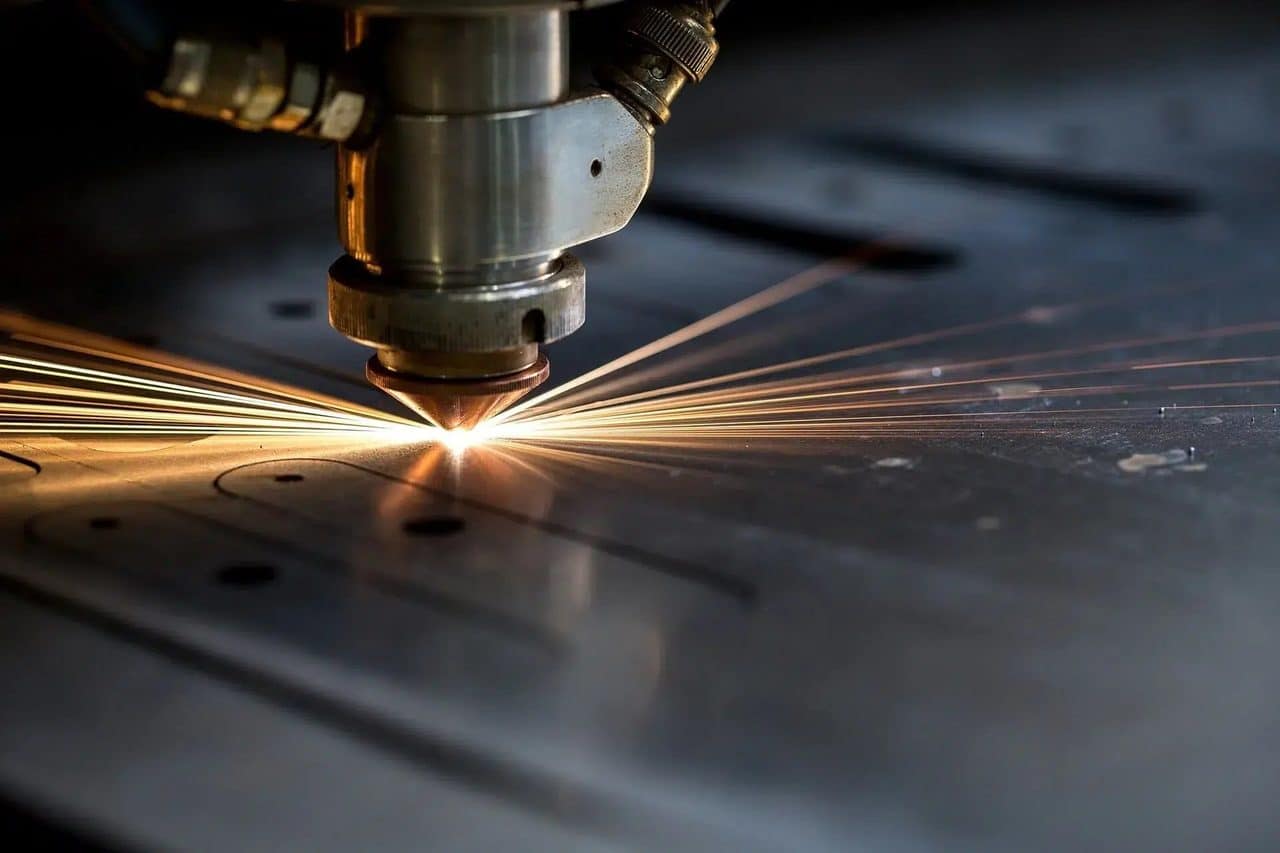
Kerf width refers to the width of material that is removed as a laser cuts through materials. As the high-powered laser beam generates heat to vaporise and melt the metal, the cutting process leaves a narrow gap along the set cutting path, otherwise known as the kerf.
A kerf width can be influenced by different factors, such as the material type and thickness, the laser power, cutting speed and specified settings applied during the cutting process. Although a laser produces a much narrower kerf compared to conventional or alternative cutting methods, the kerf still needs to be considered when rigid dimensions are non-negotiable.
Why is Kerf Width Important?
Although minimal, kerf width can greatly affect the final dimensions of a laser-cut component. If it is not correctly accounted for, the material removed during cutting can result in parts that differ from their intended measurements, resulting in poor assembly. Even small discrepancies can lead to difficulties when it comes to welding, slots, and lining up holes.
Kerf management also supports efficient material use with accurate cutting paths, which allow components to be nestled effectively within sheets, reducing offcuts and any unnecessary waste. For large-scale production, this can greatly reduce material cost-per-part and improve output.

What Factors Affect Kerf Width?
There are several different variables that can influence the width and quality of a kerf; these include:
Material Type and Thickness
Metals have their own properties, each reacting differently to laser cutting. The structure of a metal can influence thermal properties, which alter how heat is absorbed and dissipated during cutting. Thicker materials typically require different cutting parameters and higher heat input compared to thinner sheets, potentially affecting the resulting kerf and edge quality.
Laser Power and Cutting Speed
Laser power and speed must be set according to the material, its thickness and design requirements. If the output is too low, it can result in incomplete cuts and wasted energy, leading to poor kerfs. Cutting speed is also important, factoring in how long a laser interacts with the metal and is exposed to heat.
Focus and Cutting Conditions
Laser positioning can also affect the energy concentration, and the more concentrated a beam, the narrower a kerf is. Assist gas pressure, nozzle condition and calibration can all impact performance, which is why it’s essential to maintain the correct settings to achieve consistent and reliable results.
How is Kerf Width Accounted for in Laser Cutting?
CAD and CNC systems help manage and account for kerf by adjusting the programmed cutting path and factoring in the material that will be removed. This allows for the final component to be produced as accurately as possible to the specified dimensions.
The adjustment is made depending on the part being cut. For an external profile, the cutting path is generally positioned outside the intended finished edge, while for internal features, such as holes, the path is accommodated in the opposite direction.

Achieve Exceptional Kerf Accuracy with Charles Day Steels
Understanding kerf width is essential for achieving accurate laser-cut parts across a project. At Charles Day Steels, we factor in kerf widths from the initial design phase to provide finished components that fit every time.
Our advanced laser cutting machines can reach tolerances of up to ±0.25mm, cutting metals up to 50mm and accommodating various material properties. Get in touch with a member of our team today to discuss your project specifications and how we can help you achieve exceptional results.