




Expert Profiling Across Engineering Sectors
The engineering sector is incredibly diverse, spanning from heavy-duty machinery to delicate designs and complex structures. The common trait across all components within engineering focuses on the need for high-quality execution, the means to produce rapid prototypes, and adaptability to deadlines. Engineering projects also rely on specialist processes that can reduce downstream fabrication, improve structural integrity, and support fast assembly.
At Charles Day Steels, we supply engineering companies with a range of laser cutting and profiling services across the country. For 50 years, we have gone beyond standard 2D laser cutting, diversifying our solutions alongside our team’s nuanced understanding of each sector to deliver tailored outcomes.
Flatbed Laser Cutting
Flatbed laser cutting is widely used in engineering projects due to the ability to cut accurate, burr-free edges that reduce wastage. This process is suitable for flat components, particularly where tight tolerances and reduced secondary finishes are required. When combined with smart nesting and downstream processes, flatbed laser cutting is a great starting point for more complex engineered parts.
Flatbed laser cutting is often used for brackets, plates, panels, structural components, and intricate profiles where precision is key.
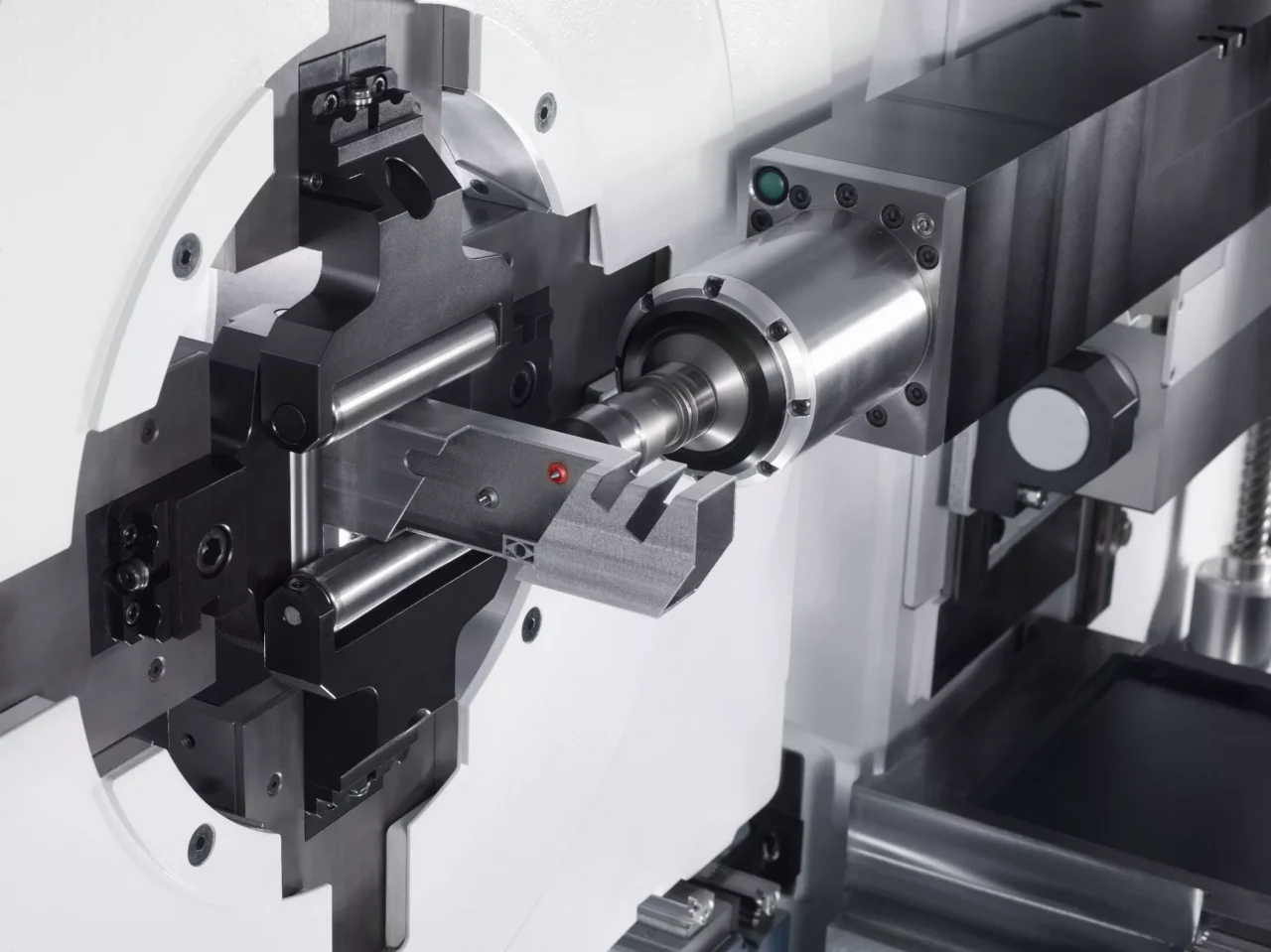
Tube Laser Cutting
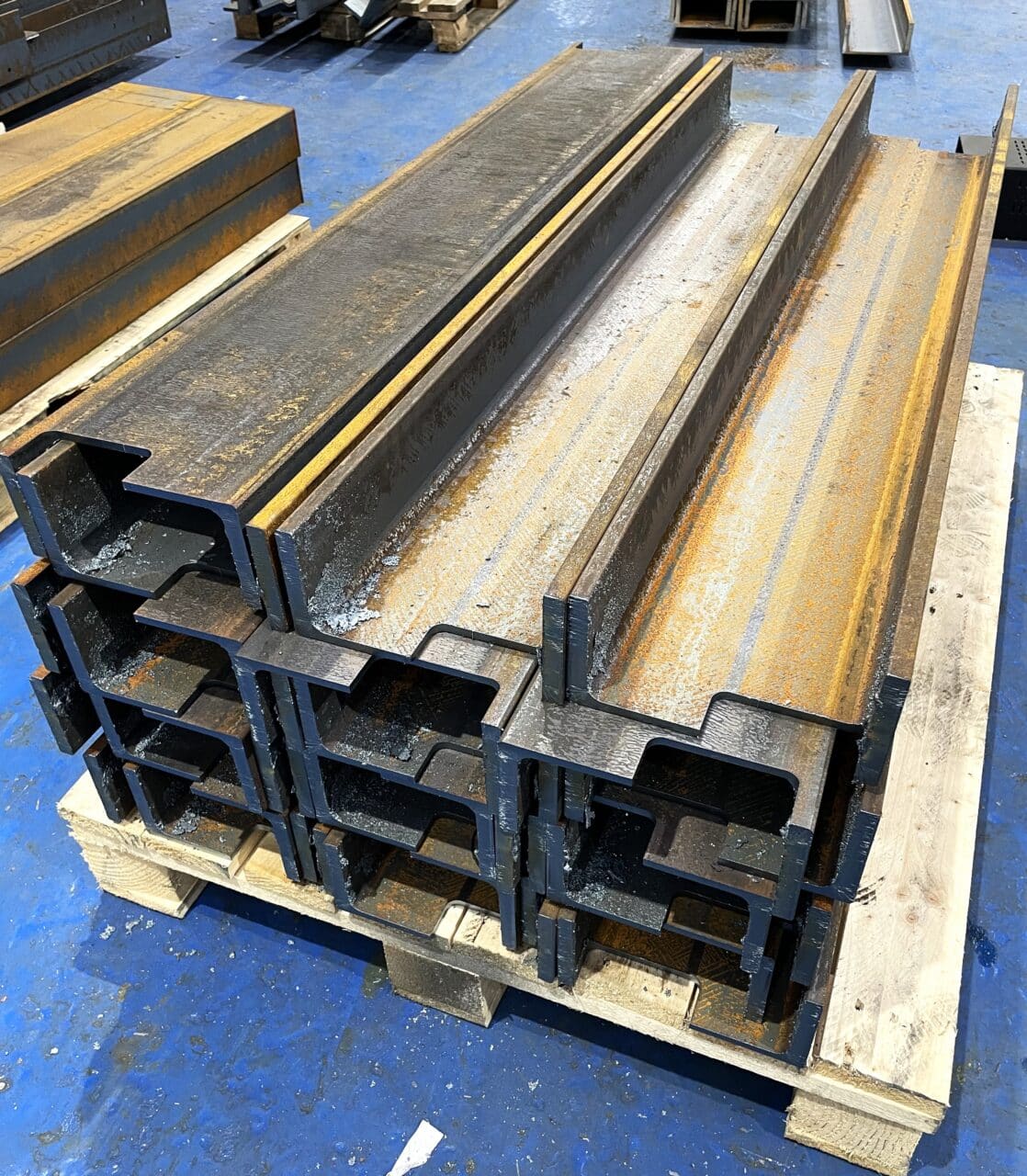
Tube laser cutting is excellent at profiling round, square, and rectangular hollow sections, including large structural sections used in engineering. Using 3D cutting technology, complex structures can be cut with ease and greater versatility, supporting faster assembly, improved fits, and consistent results in batch production, particularly where standard fabrication methods fall short.
Tube laser cutting can be used alongside in-house bevel and countersinking to include 45° chamfers in both inner and outer contours, including intricate cut-outs, slots, joints, and weld preps within a single operation.
Bending and Pressing
Bending and pressing are essential processes in engineering, forming laser-cut components into precise angles and shapes. With advanced brake press brake technology, we achieve consistency within tight tolerances, even on complex projects, supporting structural and load-bearing engineering requirements.
Bending and pressing are commonly used for frames, enclosures, brackets, channels, and structural components, providing excellent strength and consistency.
The Advantages of Laser Cutting in Engineering
Laser cutting offers several benefits for engineering applications, including:
High Accuracy
We make sure components fit correctly from the first time, reducing the need for additional rework, delays and any wastage.

Design Versatility
With CAD software and sophisticated technology, complex shapes, cut-outs and designs can be produced easily, including integrated weld preparations, allowing for more versatility.

Fast Turnaround
We maintain 24-7 production, so our clients can benefit from faster lead times to support the need for prototyping and short deadlines.
Reliable Consistency
Our solutions are fully automated and reliable, providing repeatable and quality results across single and large-scale projects, even on complex structural components.

Reduced Material Waste
Our advanced nesting software ensures that materials can be maximised to their full potential, reducing offcuts, controlling costs, and reducing waste.

Scalable Production
Laser cutting is highly dynamic, supporting one-off projects to scaled production, all within exceptionally high standards.
Our Engineering Solutions
Beyond flatbed and tube laser cutting, we offer a range of services that are carefully selected for each project’s optimal outcome.
Waterjet Cutting
Our waterjet machines can cut almost any material, including steel, stone, plastics, and more, while eliminating heat-affected zones (HAZ).
Large Open Section Cutting
6-axis laser cutters can profile tube, hollow, and structural sections with 60° bevelled contours, and 45° inner and outer contours.
Chamfers & Bevels
Weld prepped edges can be profiled between 15° and 60°, even on thick materials and across a range of cutting methods.
Flame Cutting
With large cutting beds and multi-head machines, flame cutting is excellent for high production with short lead times, offering a low cost per part.
Flow Drilling & Tapping
We can flow drill and tap a range of metals across various size ranges, creating strong and uniform fixings with no weak points.
Laser Cutting Applications in Engineering
Laser cutting is used across a wide range of engineering applications, including:
Manufacturing and Prototyping
Energy and Infrastructure
Materials Often Used in Engineering Sectors
We work with a range of materials, including the ability to procure specified materials required in engineering projects. Common types include:
- Mild steel
- Stainless steel
- Aluminium
- Titanium and structural steels
- Brass and copper
We help guide your material selection by understanding your project’s goals and outcome, taking into consideration the load requirements, exposure, budget, design type, and material properties to keep your design aligned.
Charles Day Steels in the Engineering Sector
Our background in laser cutting has been supporting the engineering and fabrication industries for the last 50 years. The team at Charles Day Steels understand the pressures of short deadlines, evolving designs, and high standards in performance, often supporting projects where specialist cutting, profiling, and bevel preparation add value. Our fleet of laser cutting services is designed to support engineers from prototyping to final production, including advanced tube, section, and bevel cutting, setting you up for success from the very start.
Our turnkey solutions operate on a 24-7 “lights out” production schedule, reducing lead times for clients without raising costs. We can help source quality materials within 48 hours, providing swift results and competitive pricing.