Quick Links
Manufacturing projects often depend on how well components fit together, especially when fasteners are involved. A poorly seated bolt or screw can affect alignment, strength, and even long-term performance, which is where countersinking and counterboring come into play.
While they may appear similar at first, each method serves a distinct purpose. More importantly, advancements in laser technology now allow certain features to be produced directly during the cutting process.
This guide explains the differences between countersinking and counterboring, where each is best applied, and how laser cutting supports these processes to deliver accurate, assembly-ready components in a singular approach.
What is Countersinking?
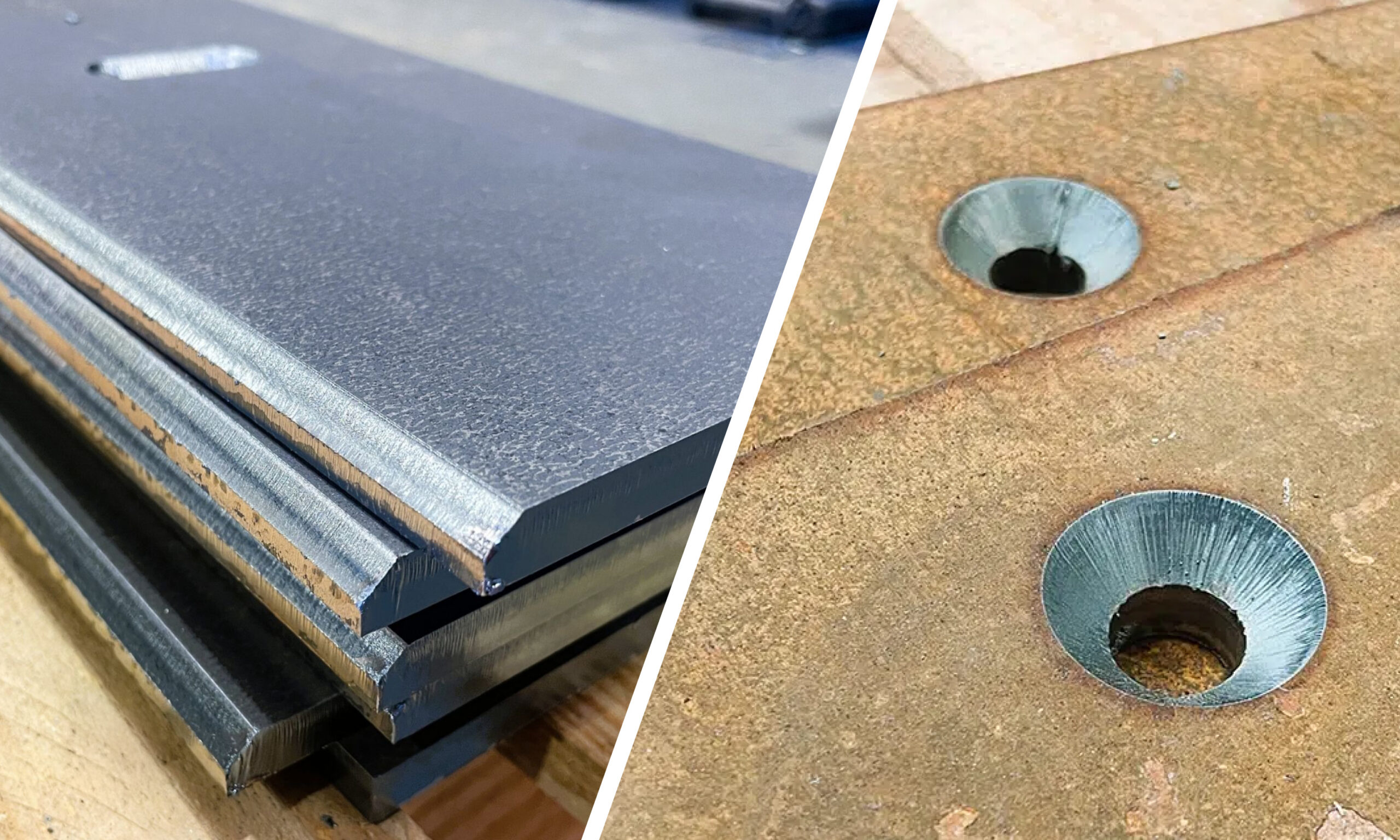
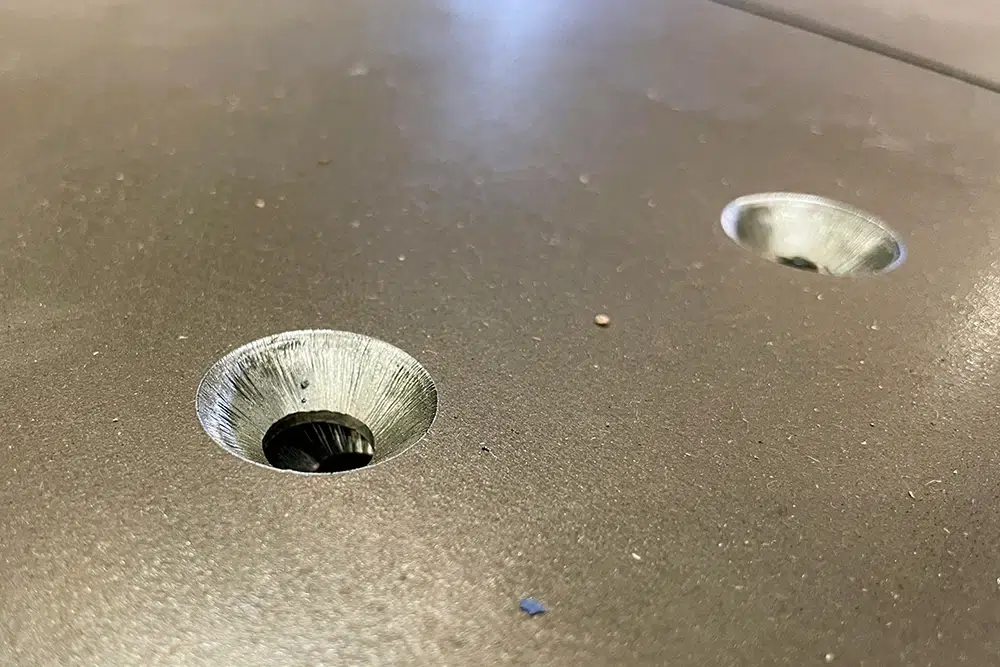
Countersinking is a machining process that creates a conical recess (?) at the top of a hole. This angled hole allows a screw or fastener head to sit flush with or below the material’s surface.
It is commonly used with flat head screws, where the angled underside of the fastener matches the shape of the countersink (typically 82°, 90°, or 100°), and once installed, it leaves a smooth and level finish. This method is often chosen when both function and appearance matter, as a level surface reduces snagging, improves safety, and provides a cleaner visual result.
Typical applications include:
- Architectural metalwork
- Flat pack assemblies
- Decorative panels
- Sheet metal enclosures
- Consumer-facing products
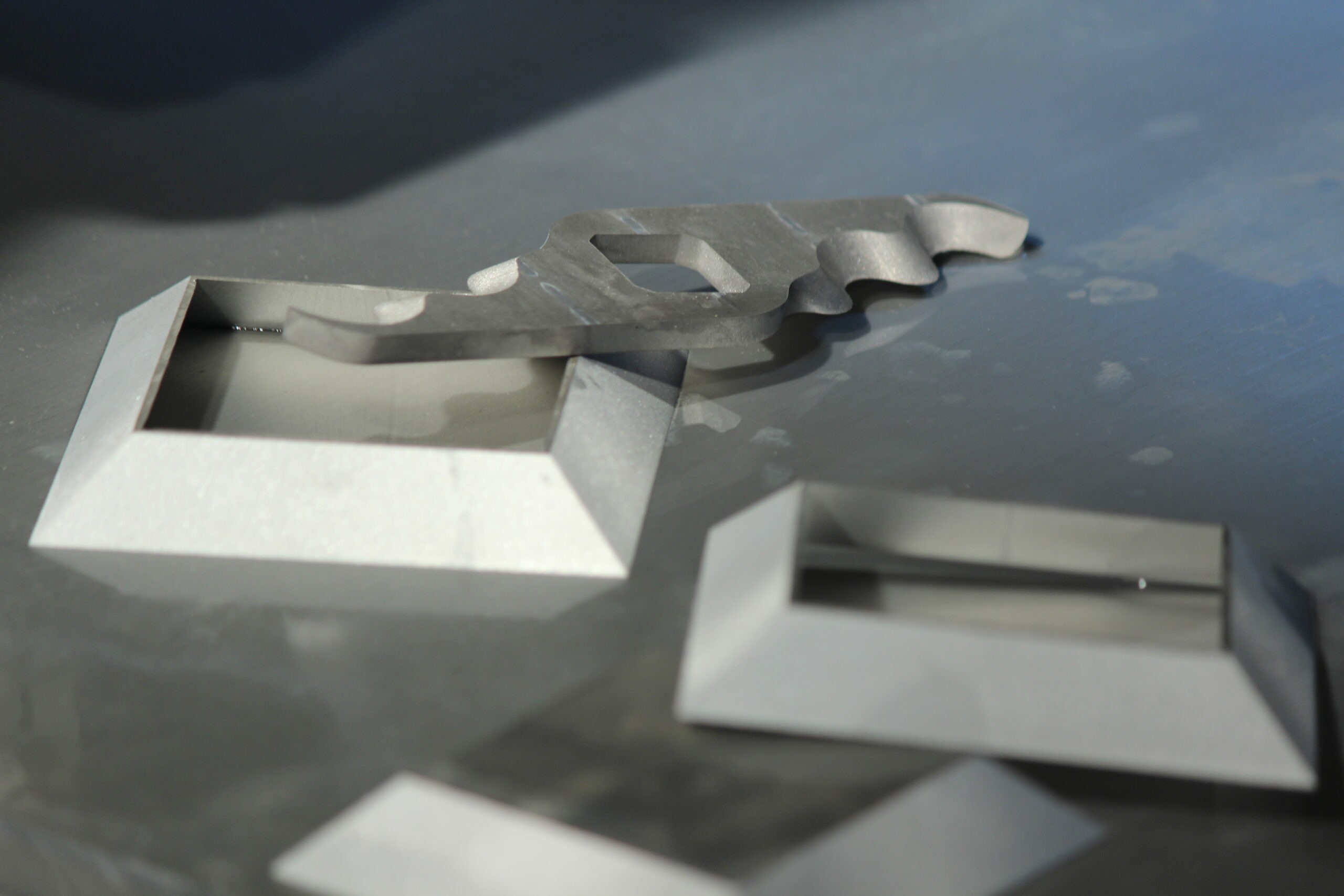
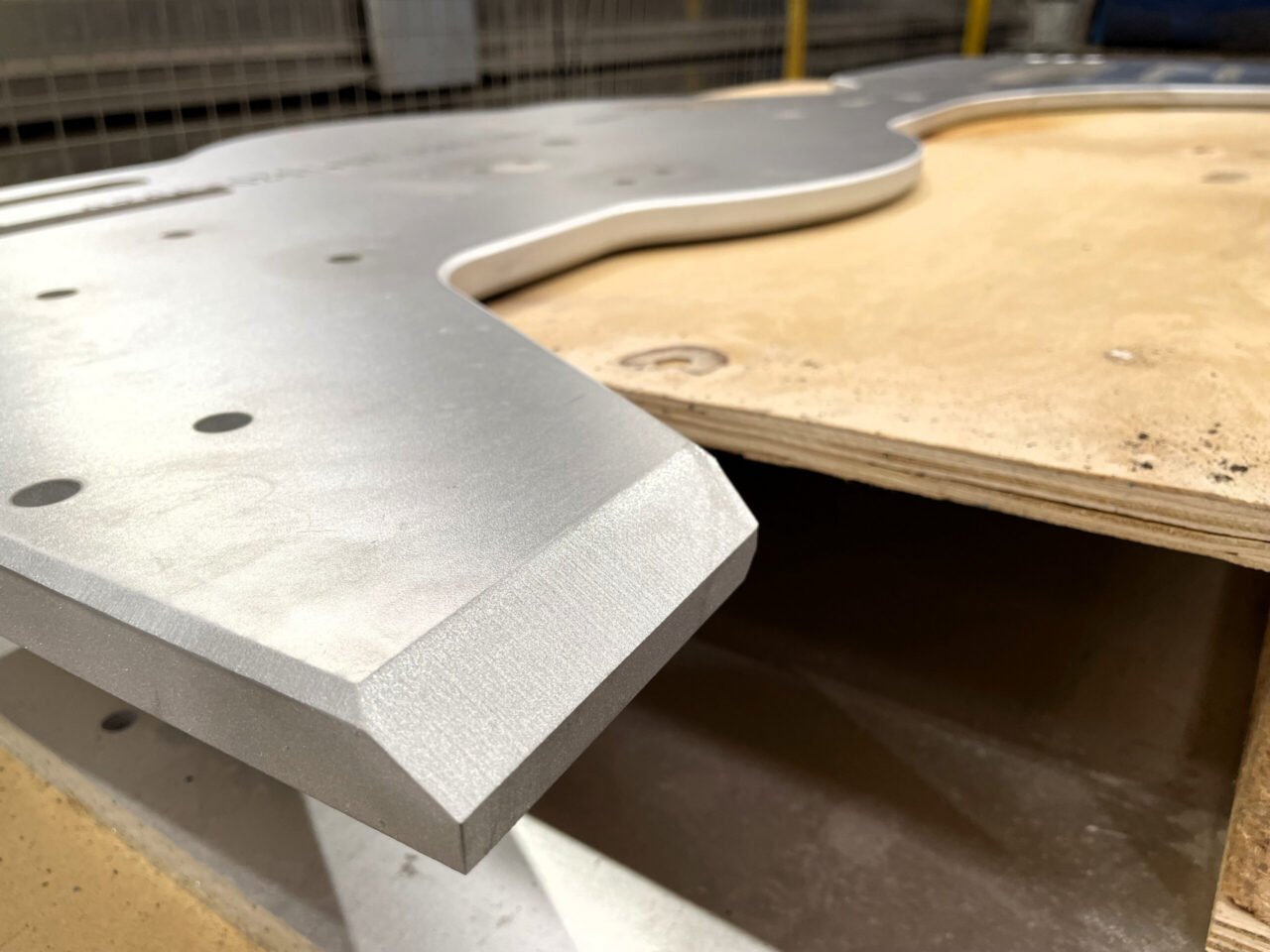
Traditionally, countersinks were added as a secondary machining process. However, with laser bevel cutting, these angled features can now be produced directly during profiling. This method is particularly useful on thinner materials where a deep recess is not required. It also helps to distribute the load more evenly across the fastener head when installed correctly.
What is Counterboring?
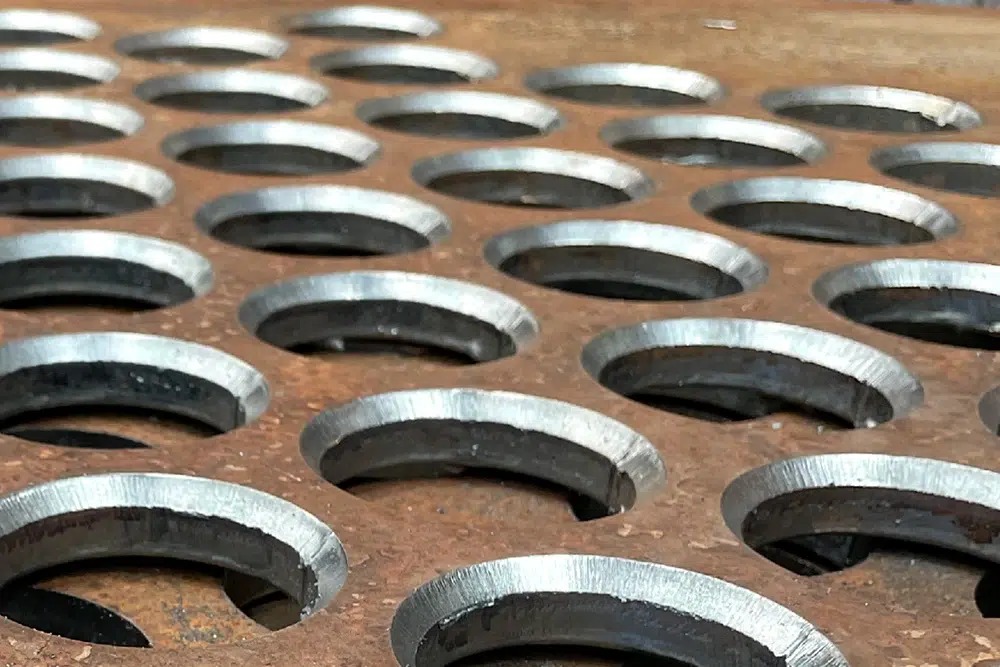
Counterboring creates a flat-bottomed cylindrical recess (?) around a hole. Unlike countersinking, this method is designed for fasteners with flat undersides, such as socket head cap screws, hex bolts, or fasteners used with washers.
The purpose of a counterbore is to allow the fastener head to sit below the surface while maintaining full contact with a flat seating area. The flat base helps ensure a secure and stable fit, which is particularly beneficial in structural or load-bearing applications that require thicker materials.
Unlike countersinks, counterboring generally still requires secondary machining due to the flat geometry being difficult to replicate with laser techniques. This method ensures consistent alignment and allows for faster tightening without damaging the material surface.
Typical applications include:
- Mechanical assemblies
- Heavy equipment components
- Structural frameworks
- Automotive parts
- Machinery bases
Key Differences Between Countersinking and Counterboring
While both processes modify a hole to accommodate a fastener, their geometry and purpose differ significantly.
Shape
Countersinking creates an angled recess, whereas counterboring produces a straight-sided, flat-bottomed shape.
Fastener Type
Countersinking suits flat head screws, while counterboring is used for bolts and cap screws with flat undersides.
Material Suitability
Countersinking works well in thinner materials, and counterboring is better suited to thicker sections where depth is available.
Load Distribution
Counterboring provides more stability for high-load applications, while countersinking is focused on achieving a flush finish.
How Laser Bevel Cutting Supports Countersinking
Modern laser cutting has surpassed simple 2D profiling, with bevel cutting producing angled edges and features, including countersinks, with ease. This represents a great shift in how components are manufactured; rather than cutting a standard hole and relying on secondary machining, it can all be integrated into a singular process.
For high-volume projects or parts that rely on repeatable results, this method offers consistency and clean edges, reducing the risk of misalignment between all stages and within faster lead times. In many scenarios, a professional laser cutting company will work alongside you to deliver quality finished parts that lower labour costs and handling time.
While counterboring still relies on secondary machining methods, combining laser cutting with bevel allows manufacturers to optimise production by applying the most efficient process to each component. This streamlines production and ensures that every detail, from the hole placement to final fit, meets project specifications.
Choosing the Right Method for Your Project
Selecting between countersinking and counterboring should be based on how the part will function in its final assembly. It is not just about considering design elements but also how it affects performance, durability, and ease of installation. Important questions to consider can be:
- What type of fastener will be used?
- How much load will the joint carry?
- Does the surface need to remain flush?
- What is the thickness of the material?
- What’s the purpose of the component?

Charles Day Steels Supports all Manufacturing Requirements
Employing a trusted fabricator and metal profiling company is essential to maintain consistent quality and success over a project from the very start.
At Charles Day Steels, we can assess drawings, recommend suitable preparations, and produce quality countersink and counterbore elements for all your components. Our bevel and laser cutting services combined result in a clean finish, retained structural strength, and improved downstream efficiency.